
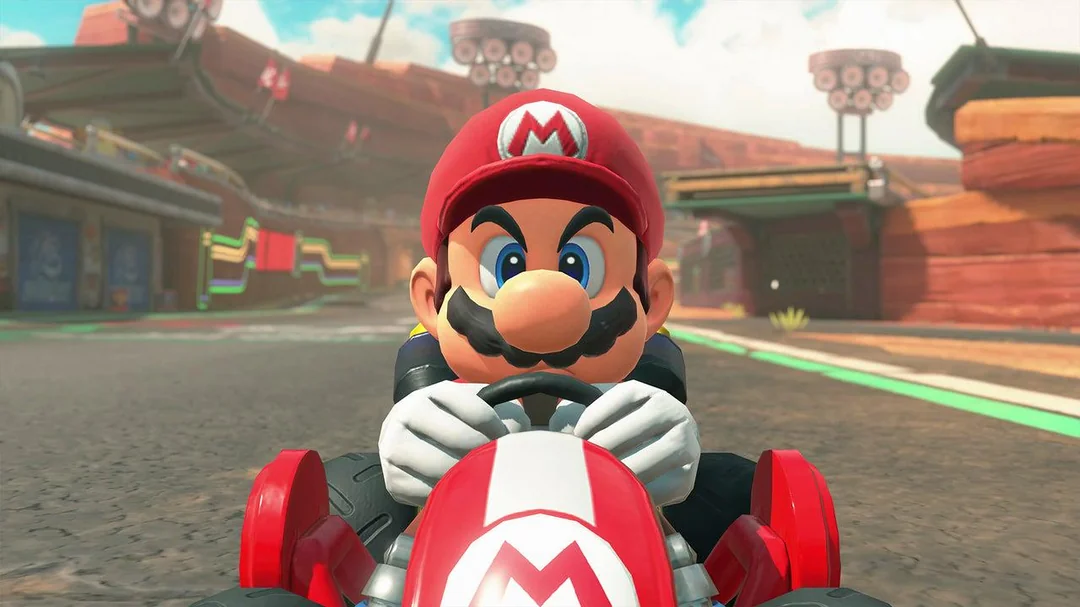
The Switch 2 isn’t just another console launch—it’s a rare opportunity for Nintendo to redefine its legacy. Initially, things looked like a runaway success. The Switch 2 flew off the shelves, became nearly impossible to find, and broke sales records within days. Everyone, it seemed, was playing Mario Kart.
But just weeks later, a small yet significant change to the flagship racing game has sparked debate. The latest Mario Kart World update reveals a deeper issue: Nintendo’s long-standing struggle to grasp the online gaming landscape. For all its charm and polish, Nintendo’s brilliance isn’t bulletproof, and this update serves as a sharp reminder of that.
The Patch That Sparked an Uproar
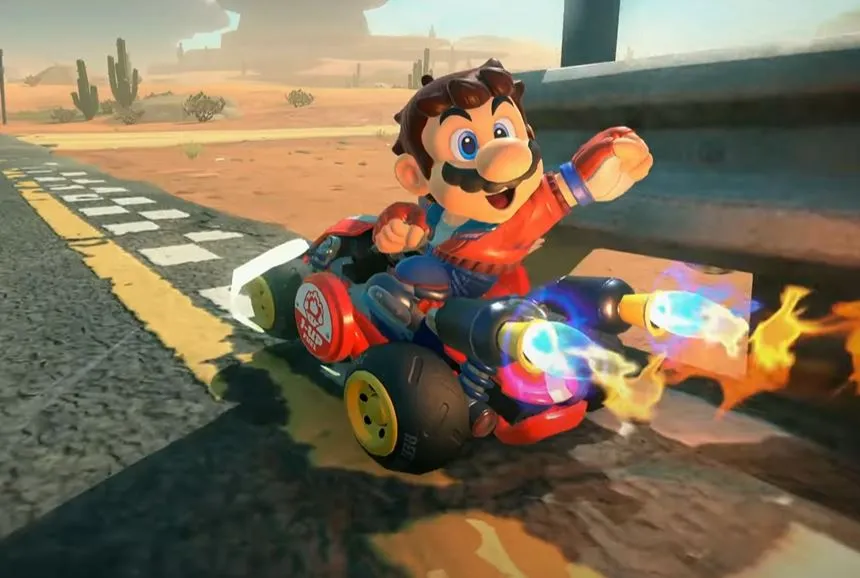
Let’s recap what happened. Until recently, online matches let players vote on the next course, and one of the options was “Random.” Most people preferred Random, because it let them skip the so-called “intermission” areas that stitch together Mario Kart World’s big open map. While the idea behind intermissions was to showcase the game’s open-world ambition, players quickly grew to hate them.
Why? Because these intermission tracks are mostly just straight, bland stretches of road. They lack the twists, jumps, and quirks that make Mario Kart fun. Worse, they created a meta where the optimal strategy was to hang back intentionally, collect good items, and surge forward at the end. Sure, that might win you races, but few would call it enjoyable.
To avoid this slog, most players simply picked Random. But the new patch quietly changed how matchmaking works. Now, Random doesn’t help you avoid the intermissions — in fact, it often does the opposite. Suddenly, it’s much harder for players to land on the more exciting traditional courses.
It might seem like a small tweak, but it’s become a perfect example of Nintendo’s stubborn approach to online design.
A History of Lagging Behind
Even during the original Switch era, Nintendo felt a generation behind. Sure, the hardware wasn’t as powerful as its rivals, but who cared? The games were fantastic. Breath of the Wild didn’t need hyper-realistic puddles to be a masterpiece.
But while Microsoft had long established the blueprint for online gaming with Xbox Live, and Sony was constantly experimenting with multiplayer, Nintendo felt like it was just fumbling along.
Remember trying to set up voice chat on the Switch? You basically needed a dongle and a PhD in cable management. While other consoles were integrating ethernet ports and streamlined matchmaking, Nintendo still seemed stuck in the GameCube era, when you had to connect multiple Game Boys to play local co-op.
The Switch did finally embrace modern ideas like live service updates, transforming many beloved franchises into living games. Animal Crossing: New Horizons became a cultural phenomenon precisely because it made it easy to connect with friends. Mario Kart 8 stuck around for so long, it turned into a meme that Nintendo might never make a sequel.
But despite these successes, the cracks kept showing. Smash Bros. Ultimate was a celebration of everything Nintendo, but also plagued by laggy online matches. Splatoon reimagined shooters in a playful way — but connection issues and frustrating restrictions were frequent.
Splatoon Déjà Vu
The situation with Mario Kart World is eerily similar to Splatoon 2. That game introduced Salmon Run, a fantastic co-op mode where players fought off waves of fish monsters. But in true Nintendo fashion, you could only play Salmon Run at certain hours of the day. If you had time to play outside the schedule? Too bad.
Fans were baffled. Why lock a co-op mode behind a schedule? Why not let people play when they want, especially when it doesn’t affect other players?
It’s this same prescriptive mindset — insisting that players experience a game in exactly the way Nintendo intends — that’s now upsetting Mario Kart fans.
The Reaction and the Silence
If you’re a casual player, you might not even notice these matchmaking changes. But for dedicated fans who follow every patch note, this update has been a gut punch.
The backlash has been so intense that some community forums have had to ban negative posts about it just to keep things civil.
And yet, Nintendo hasn’t explained anything. The patch notes were vague. There’s been no follow-up. No context. Just a single line about the change.
Compare this to modern live service games like Fortnite or Marvel Rivals. Those teams publish long blogs and developer videos explaining why they made adjustments, how they think it will improve the experience, and what they’re considering next. It doesn’t automatically make players agree, but it does humanize the process. It shows that real people are thoughtfully trying to improve the game.
Nintendo already understands this approach on some level — look at how good their Nintendo Direct presentations are. But when it comes to patch communication, they still feel like a black box.
An Option, Not a Mandate
To be clear, you can’t really blame Nintendo for wanting players to experience Mario Kart World’s big selling point — its open world. But forcing it on everyone, rather than offering it as an option, has rubbed players the wrong way.
Had Nintendo presented this change as an experiment, or simply nudged players to try the intermissions instead of mandating them, the reaction might have been very different.
There’s Still Hope… Maybe
The good news is that Nintendo can change. Splatoon 3 eventually removed Salmon Run’s time restrictions, letting fans play whenever they liked. That was a welcome shift — but it also took five years.
And back then, the Switch was still finding its footing as an online console. Today, the environment is very different. Weekly updates, transparent communication, and rapid hotfixes are the norm.
Mario Kart World’s patch has become a symbol of a bigger question: Is Nintendo finally ready to embrace modern online gaming and treat its community like partners? Or is it still going to be the company that shuts down the show if it doesn’t like how you play?
Also Read : Best Game Consoles in 2025: Our Top Picks, Tested and Rated